Why PLIMAN exists
Before there was a jewel there was a decision. Discover the purpose that gave birth to PLIMAN and the reason why our brand decided to invert the traditional order of high jewelry.
Every brand has an origin.
Some are born to cover a market opportunity. Others to follow a trend. PLIMAN was born for a different reason.
It was born after a question.
"Why are those who master one of the most complex trades in the Andes still those who receive the least for it?"
Before there was a collection, a logo or a website, there was that question. And a reality that is difficult to ignore.
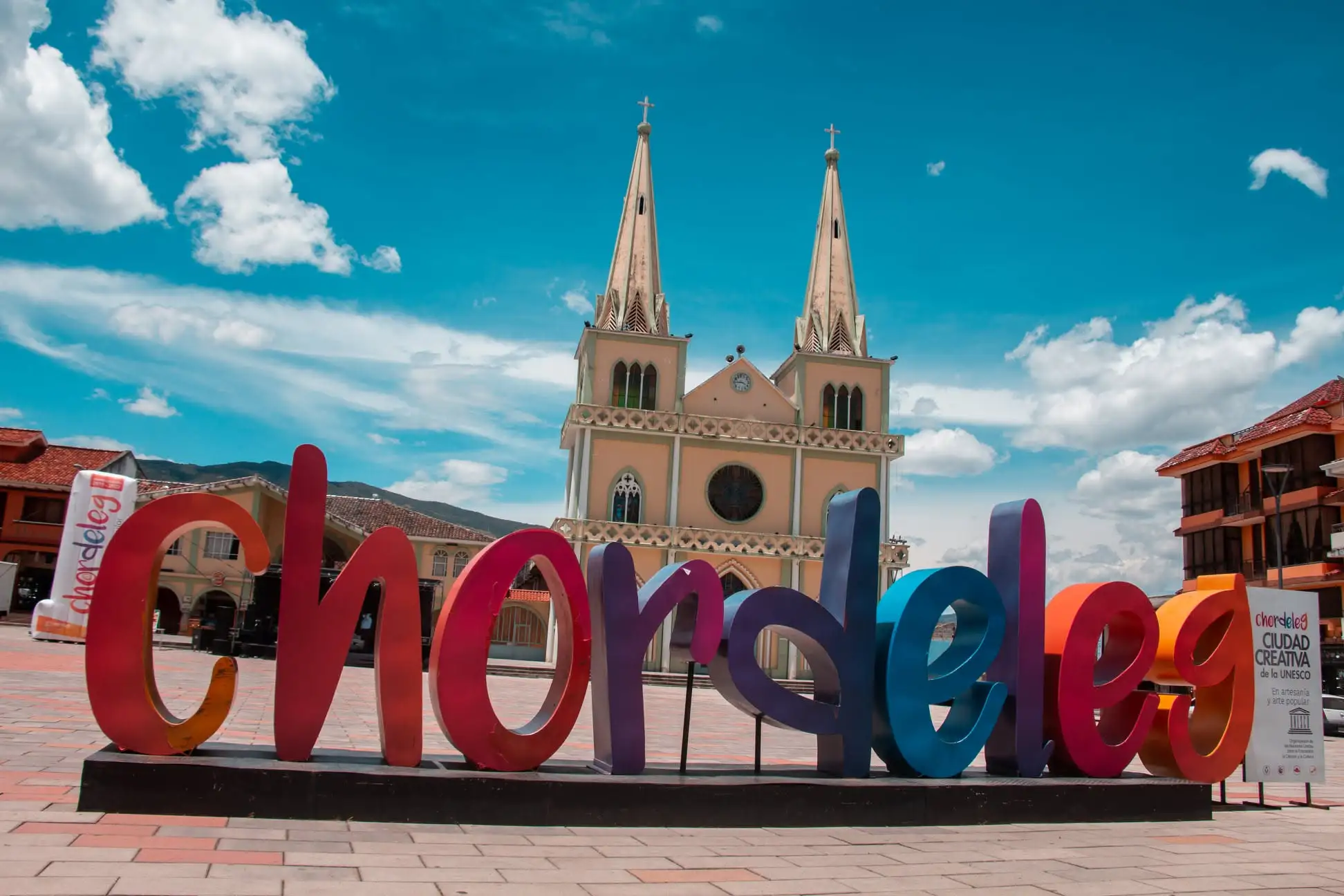
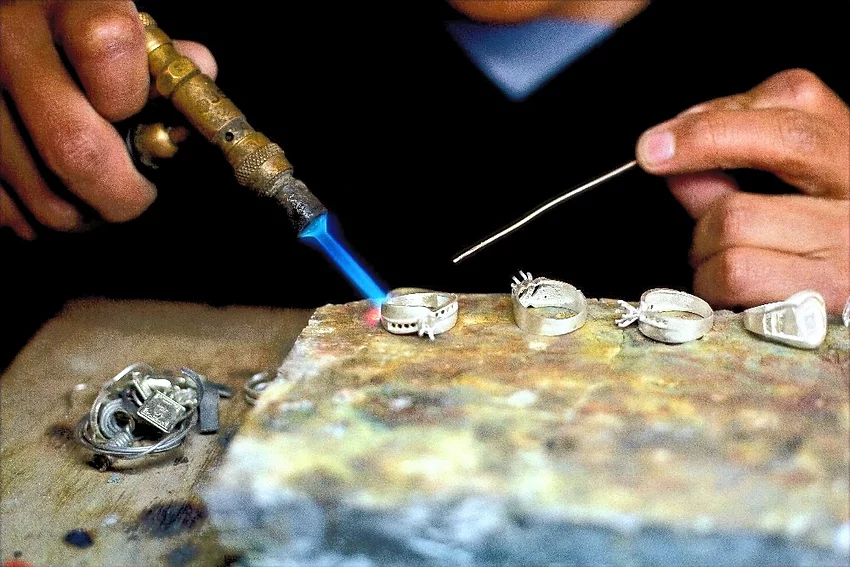
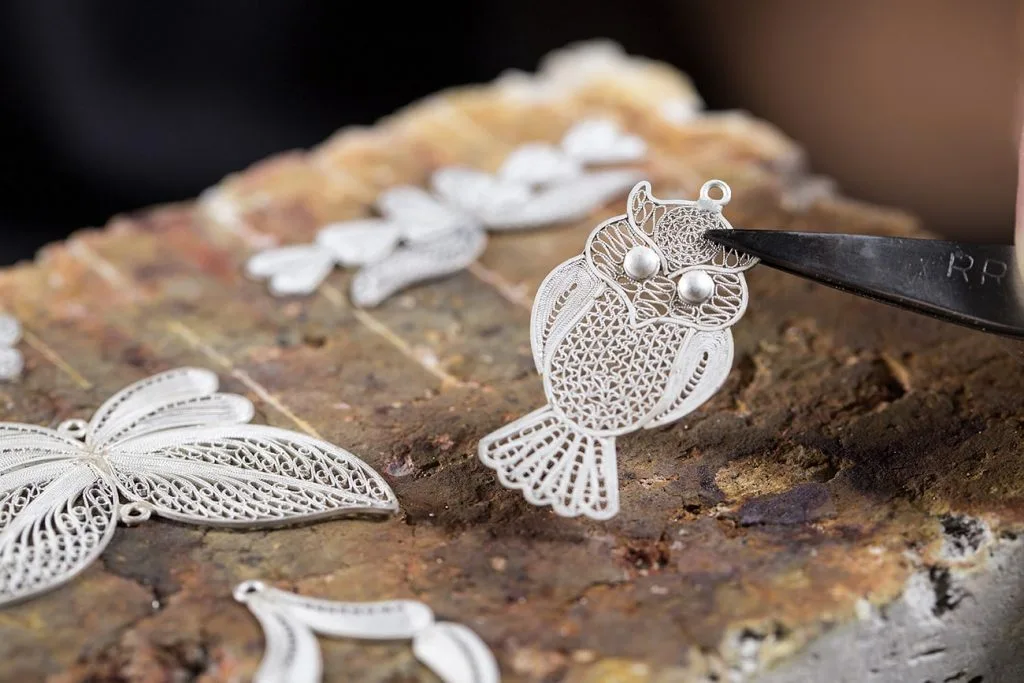
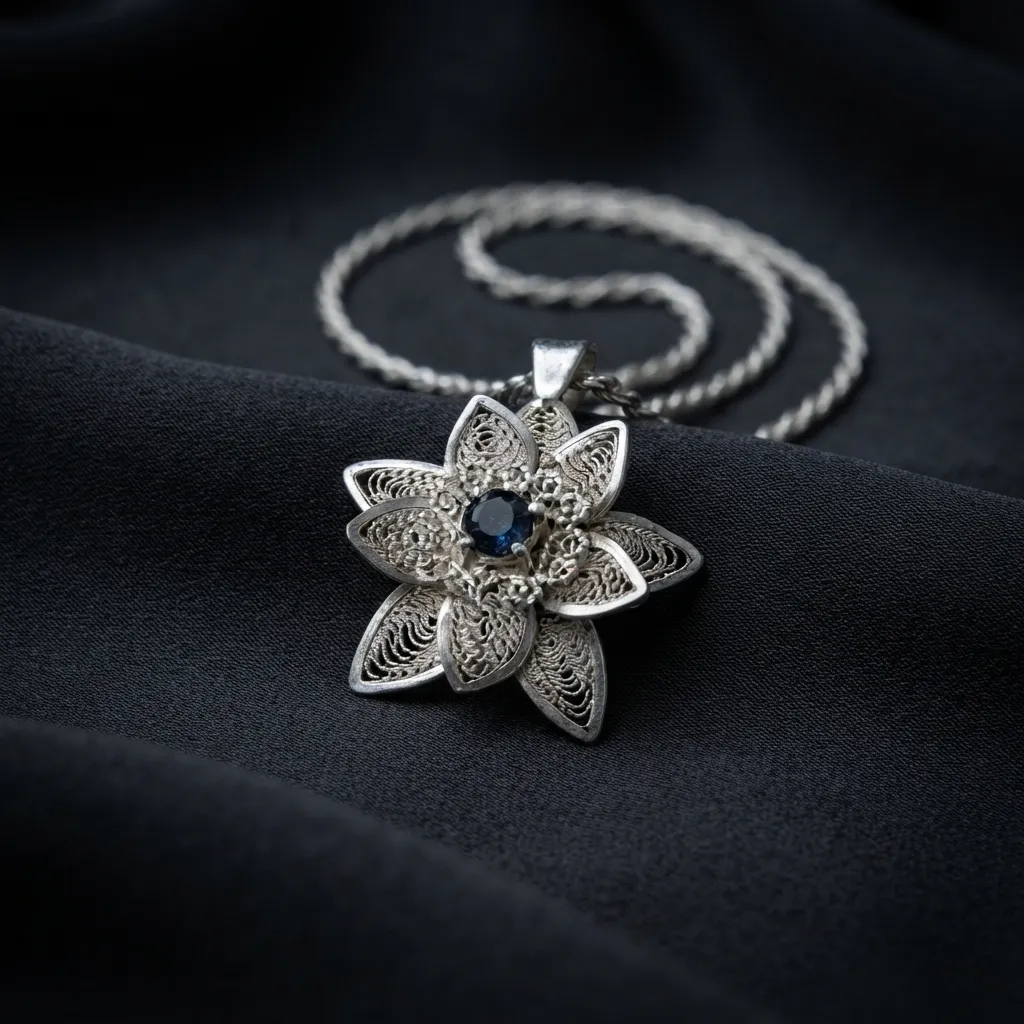
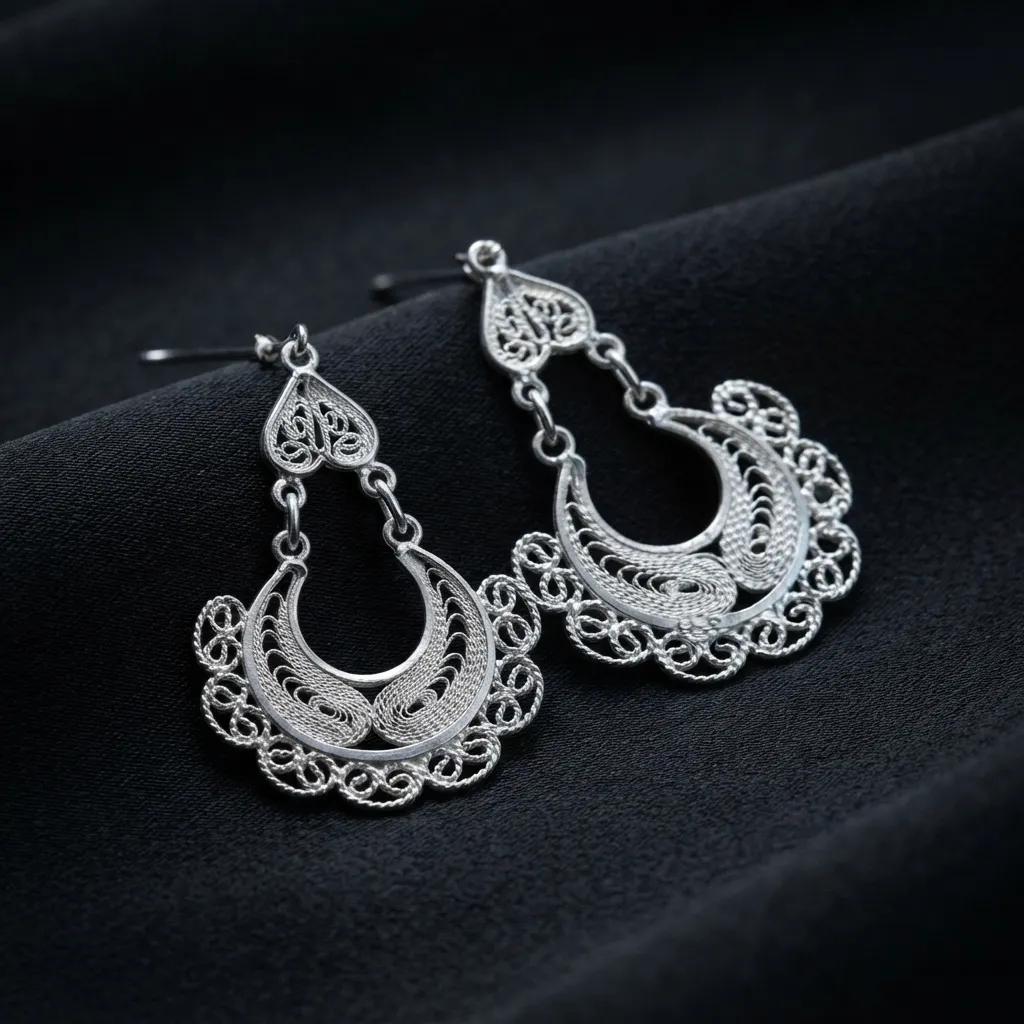
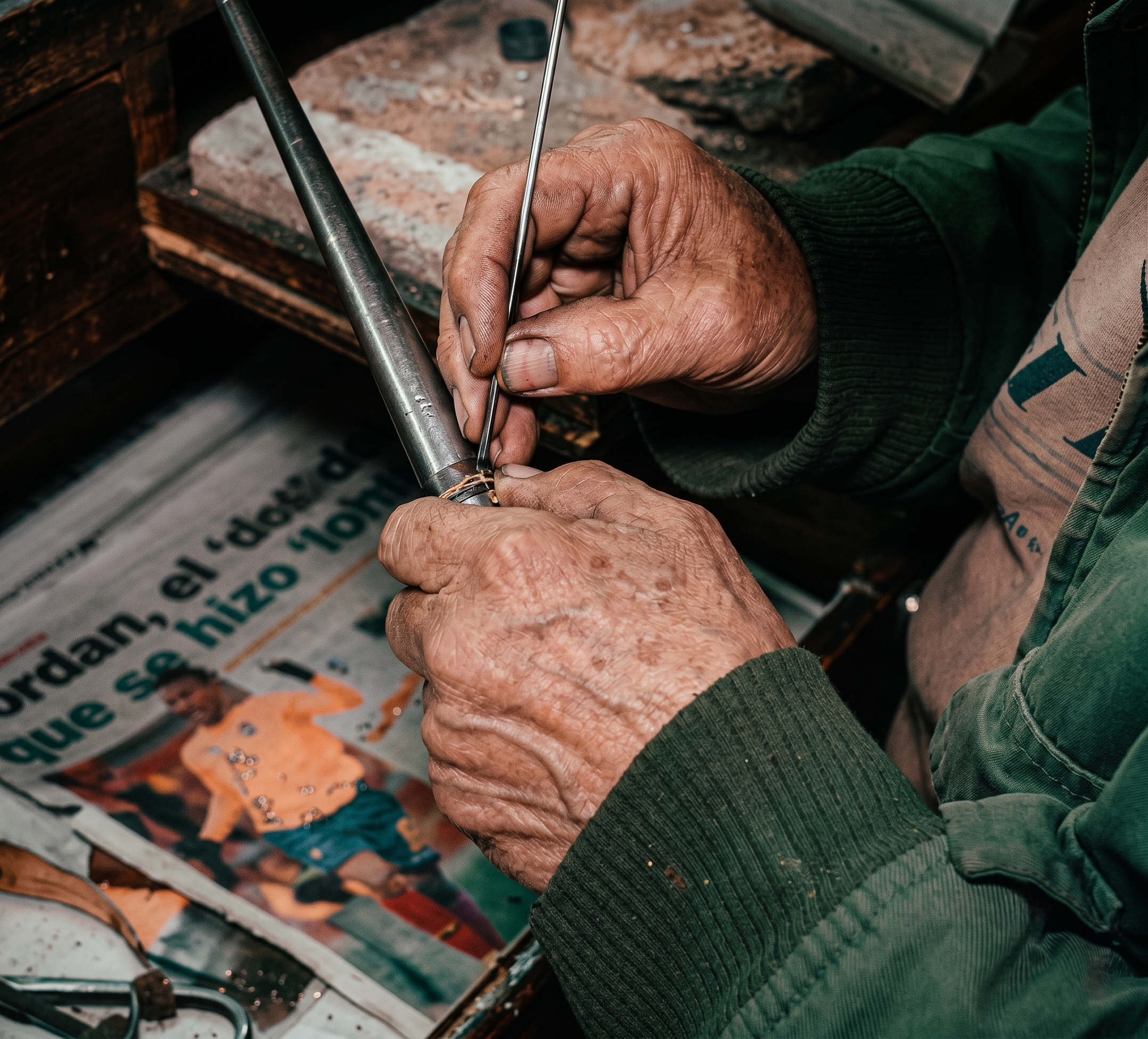
For generations, the great master goldsmiths of Chordeleg dedicated their lives to perfecting techniques that very few places in the world still preserve with such precision. Filigree, traditional forging, manual setting and other disciplines were passed down from master to apprentice for decades, becoming piece of Ecuador's cultural heritage.
However, while the prestige of those pieces grew, those who actually made them remained almost invisible. The market spoke of a standard. The shop window spoke of unattainable pieces. But rarely was there talk of the hands that held all that.
Many masters received compensation that barely reflected the time, experience, and technical difficulty that each work demanded. The intermediary multiplied the value. The author was barely mentioned.
PLIMAN was born exactly to question that order.
A Name with a Purpose
PLIMAN means Imperial Silver of the Andes.
"Imperial" represents the decision to treat silver with the same reverence traditionally reserved for gemstones. "Andes" is a tribute to Chordeleg, the valley where this trade continues to live thanks to generations of master goldsmiths.
Although the brand was born around silver, today our works are also forged in gold, always under strict order.
The name never spoke only of the material. He always talked about the place and the people who give it meaning.
Change the order
Most industries start by asking how much a piece can sell. PLIMAN begins by asking herself how much the work of the master artisan who will make it possible is really worth.
That order changes everything. Time. Technique. Experience. The specialty. The difficulty of each process.
All of this is recognized first. Then comes the operation of the brand. Not the other way around.
"We do not seek to compete with artisan workshops, but to assign each piece its respective master and workshop of excellence."
PLIMAN does not have its own workshop. And it does not have it because of a deliberate decision: we do not seek to compete with the artisan workshops of Chordeleg, but to promote them. In this canton there are already workshops and masters who have achieved absolute mastery in their craft after decades and generations of consecration.
For this reason, PLIMAN does not seek to compete with them or centralize the trade under one roof. Our mission is to assign each piece to its respective workshop and master of excellence according to its specialty: the master forger for the structure, the master filigree maker for the weaving of the thread, and the master stonemason for the setting of the stones. Each workshop retains its independence, its prestige and its name.
Truth also has a price
A PLIMAN work costs what it costs because it reflects the true value of the work that makes it possible.
There is no mass production. There is no inventory waiting for a buyer. There are no manufactured pieces to fill display cases.
Each creation begins only when someone decides to commission it. Because the time needed to carry out a work should never be reduced to adapt to a commercial strategy.
Excellence requires patience. And respect for the profession too.
History is also piece of the work
When a piece is finished being forged, its story is just beginning.
For this reason, each PLIMAN creation incorporates a physical Work Dossier. Not as a decorative element. But as a permanent record of its origin.
It documents the process, the traceability of the work and the master responsible for having forged it.
That record continues to exist through a verifiable work dossier that preserves the provenance of the piece over time. Because a work can survive generations. Its history should too.
Much more than a jewel
Whoever acquires a PLIMAN creation does not only buy an object. It becomes piece of a decision.
The decision to recognize that behind each work there is a life dedicated to perfecting a craft. The decision to contribute so that this knowledge continues to exist. The decision to prove that another way to conceive jewelry is also possible.
PLIMAN does not intend to change the history of Andean goldsmithing. It aims to make sure that those who still keep it alive receive the recognition they should always have.
Because brands come and go. The trades that survive generations are the ones that truly deserve to remain.
PLIMAN
Imperial Silver of the Andes.