Chordeleg: Cradle of Noble Metals
Before it was famous for its filigree, this Andean valley was already, according to its name, a sacred field of golden tombs. This is the actual genealogy of the land on which we work.
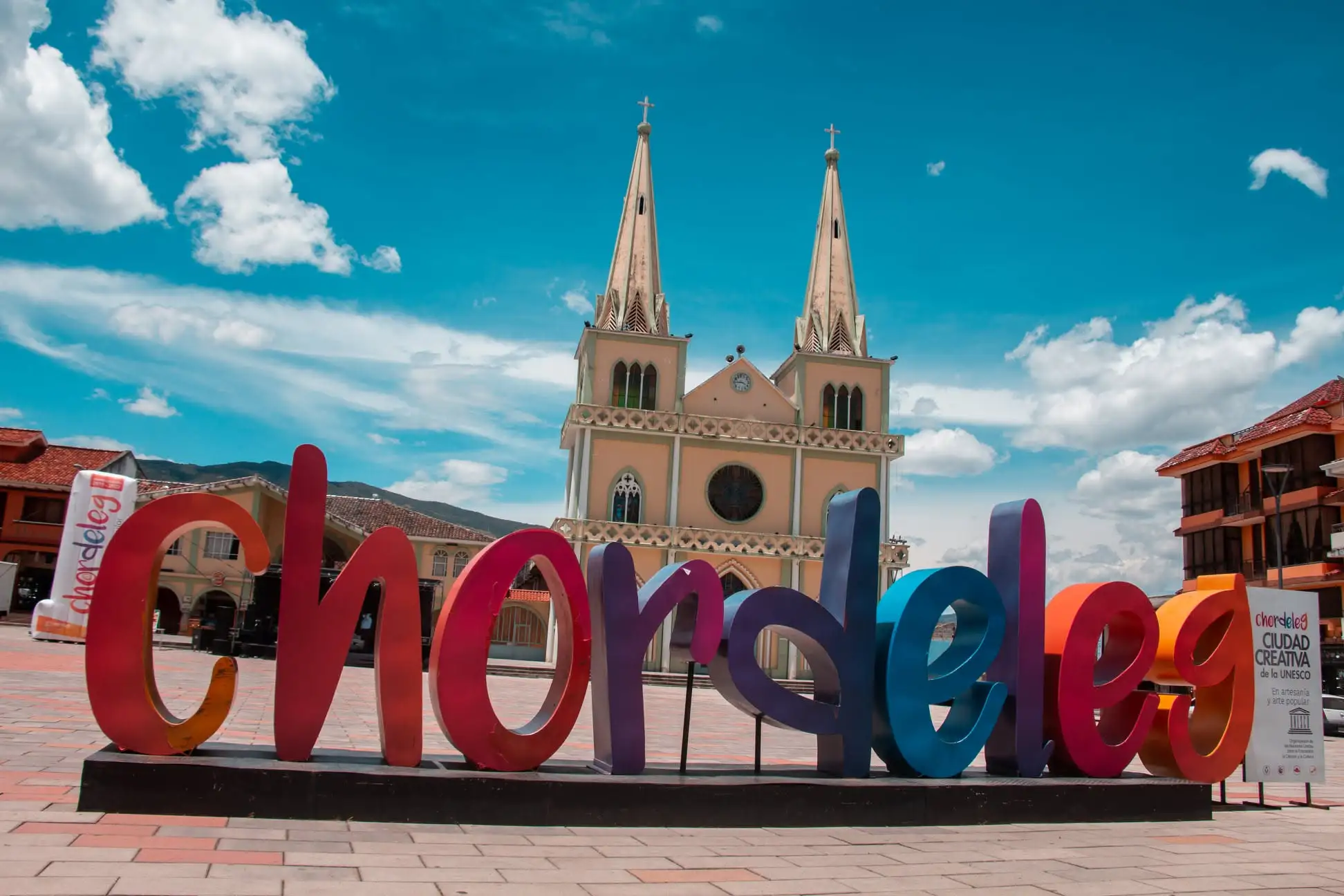
In southern Ecuador, in the province of Azuay, a valley at an altitude of more than 2,400 meters has been breathing metallurgy since before there was a word for it. Today we know it as Chordeleg. But long before the 950 silver and the candongas that made it famous in the world, this place already carried gold in its legends and in its tombs.
A valley founded by a legend
According to the history that the Municipal GAD of Chordeleg itself preserves as the official memory of the canton, the origin of the town dates back to the birth of the Cañari tribes. Legend has it that, after a great flood, two brothers managed to survive by taking refuge at the top of Mount Fasayñan. One of them took as his wife a woman with the appearance of a macaw – half bird, half woman – and from that union the first Cañaris were born. It is not a decorative anecdote: it is, literally, the record that the canton uses to explain its own origin.
The Field of the Sepulchre
The name itself says so, although for years the local tourist slogan has preferred another version. The most repeated reading by historians and by the Municipality itself derives "Chordeleg" from the Cañaris words Choch or Shor (hole, sepulchre) and Deleg (plain): "Field of the Sepulchre". The linguist Oswaldo Encalada Vásquez offers a second reading, the result of a Quichua-Cañari hybridization: churu (snail, zigzag) and deleg (large plain) — "snail-shaped plain." Both agree on something: the label of "Chorro de Oro" that is sometimes used to promote the canton is, according to Encalada Vásquez himself, more slogan than etymology.
What is documented is that this plain was, in Cañari times, a sacred cemetery reserved for the main chieftains and kings of the region, buried along with gold, silver and ceramic objects — a privilege that, according to the historical records of the canton, did not extend to the rest of the population. Around the year 800, on top of a hill now known as the ruins of Llaver, what local tradition describes as a mythical space marked by a formation of stones in the shape of a snake was erected. For generations, huaqueros excavated these tombs in search of the gold and silver pieces that accompanied them — the same archaeological heritage that the historian and archbishop of Quito Federico González Suárez was among the first to systematically document. Before a single thread of filigree was stretched in this valley, the earth already knew that the precious metal was not just any commodity: it was what was taken to the afterlife.
"Before a single thread of filigree was stretched in this valley, the earth already knew that the precious metal was not just any commodity: it was what was taken to the afterlife."
The lineage that was not broken
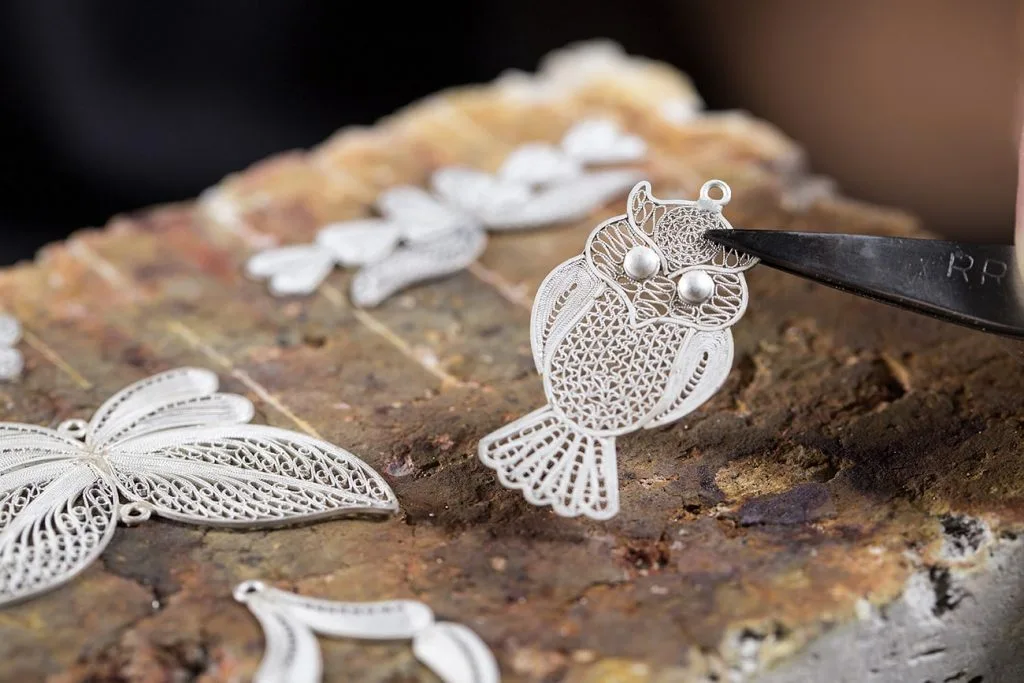
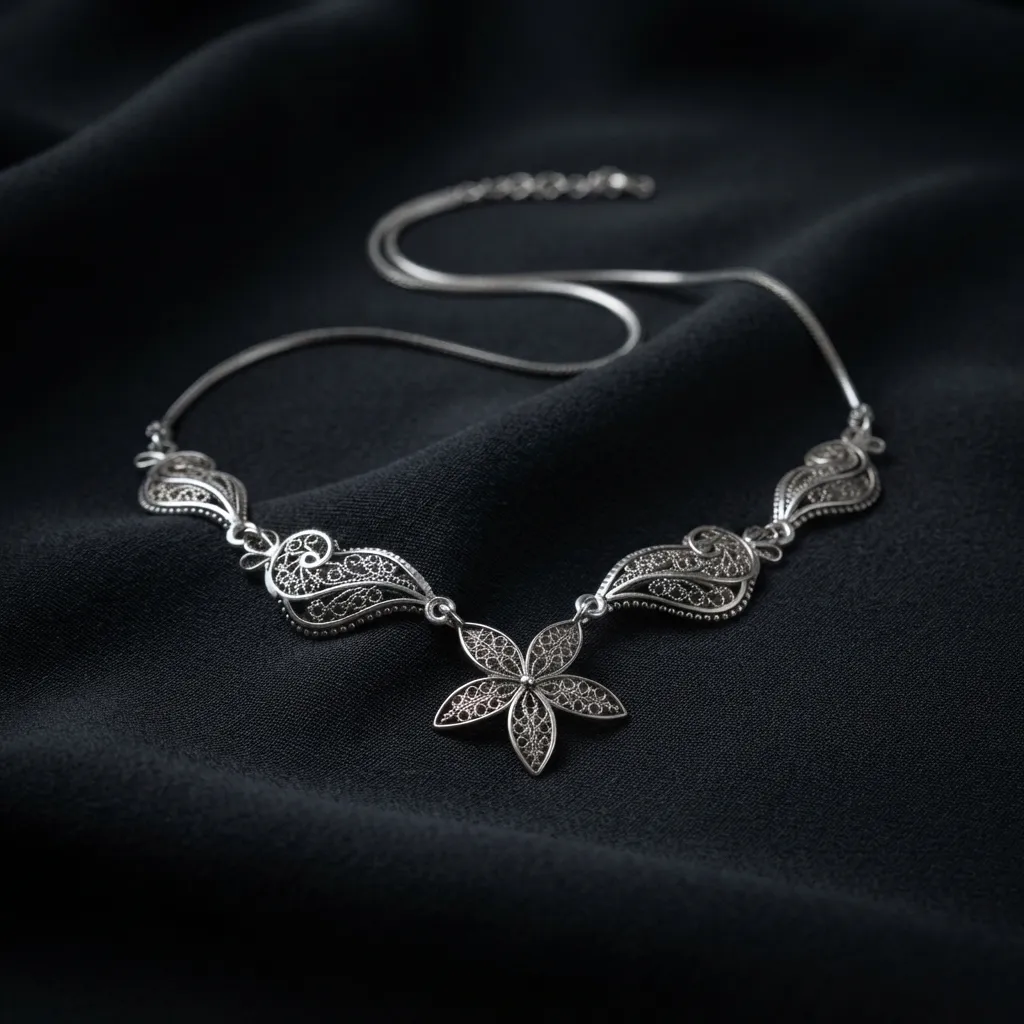
Filigree, the technique of intertwined threads that defines Chordeleg today, came later, during the Colony, brought by Spanish silversmiths who in turn had inherited it from the Iberian tradition under Islamic rule. What is distinctive about Chordeleg is not that he received it – several Andean cantons did – but how he decided to keep it: unlike other places where the trade was fragmented over time, here the knowledge was maintained within complete family lineages.
The historical record of the canton recognizes Fidel Zúñiga as one of the great filigree masters of the first half of the twentieth century. Zúñiga transmitted his trade to his nephew, Juan Octavio Jara, today considered a pioneer of the technique in the canton. Jara travelled in his youth, returned to Chordeleg in 1980 and, after a period of rest, opened his first jewellery shop – El Gran Chaparral, which would later be known as Puerta del Sol. There she not only worked with traditional jewelry: she created three-dimensional filigree sculptures — condors, dragons, pieces that can take up to eight months of work — that today are sold in jewelry stores throughout Ecuador, including the Galapagos Islands. One generation passing on to the next, without the thread being cut once: that's what makes Chordeleg a cradle, and not just a dot on the map.
What Isolation Taught Us
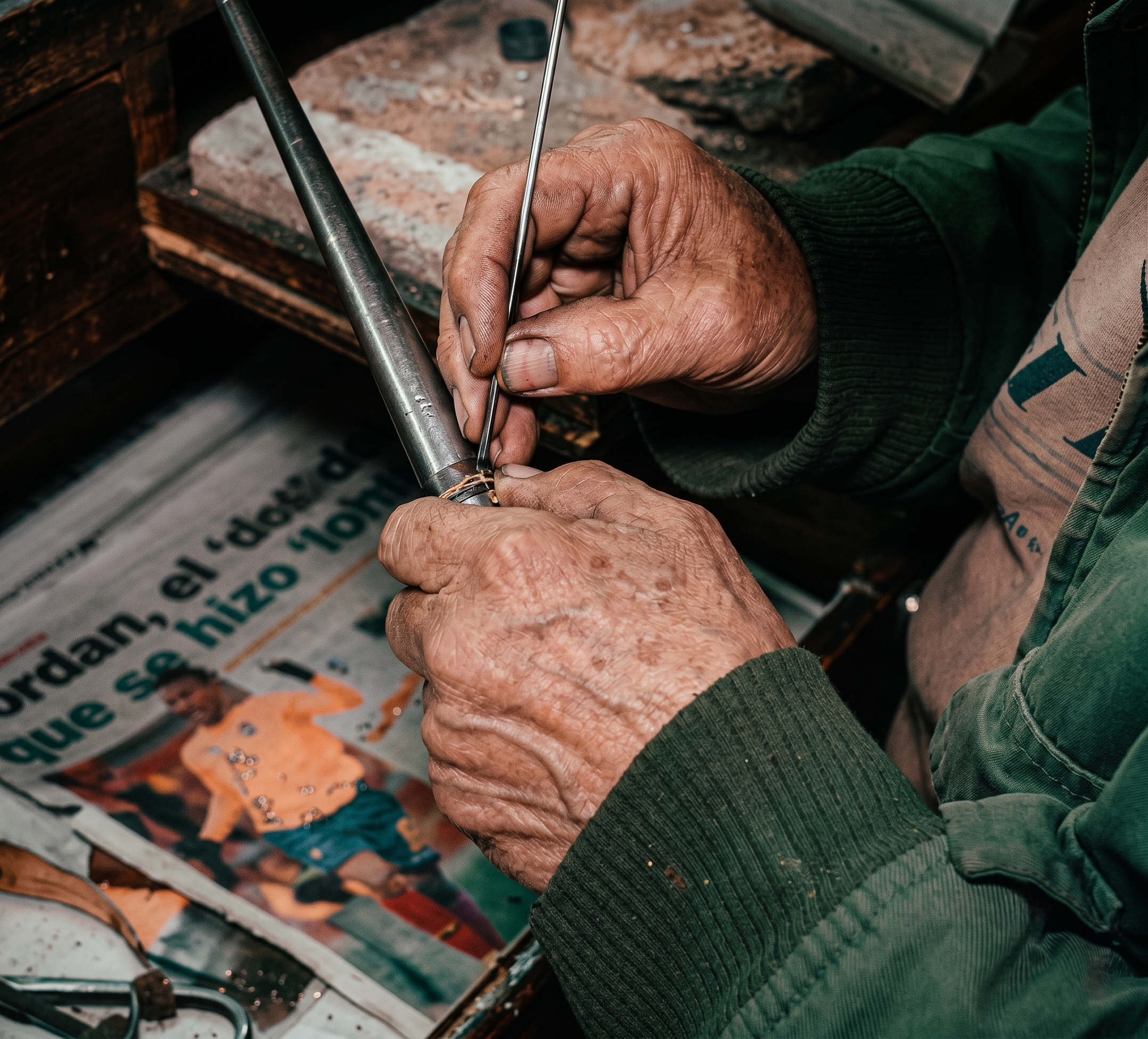
PLIMAN no fabrica en un taller propio dentro de este valle — no hace falta: Chordeleg ya sostiene, según el conteo del propio Municipio, más de doscientos talleres artesanales entre sus calles. Lo que hacemos es distinto: dentro de esa comunidad de maestros que este valle ha preservado durante generaciones, buscamos para cada pieza al artesano cuya especialidad exacta —forja, engaste o filigrana— la técnica requiere. No existe un único "orfebre de PLIMAN"; existen tantos como técnicas distintas necesita nuestro archivo, y a cada uno se le paga por lo que su especialidad realmente vale, como ya contamos en El Resurgimiento de la Filigrana Andina.
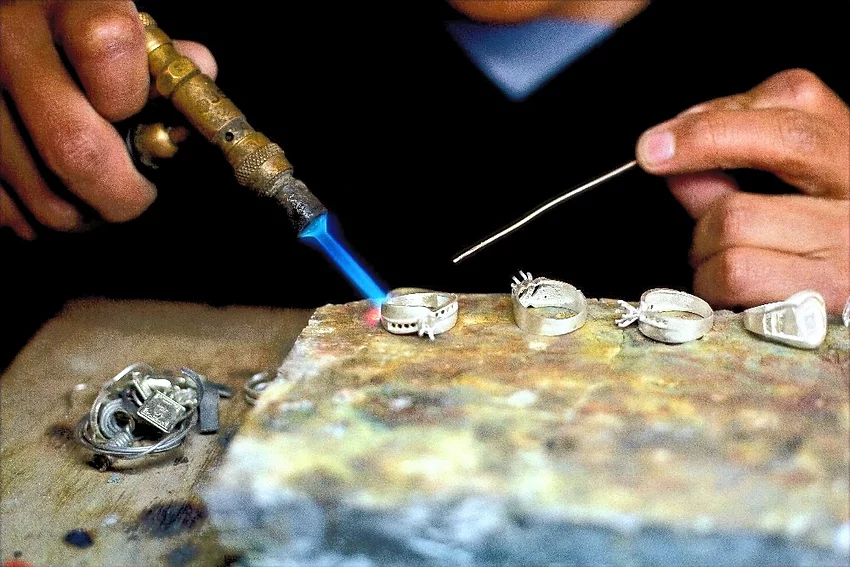
That way of working is only possible because the geographical isolation of this Andean valley never let the trade become industrial. The hours that a master dedicates to melting, stretching and intertwining a wire of 950 silver or 18k gold are not dictated by an assembly line, but by the tolerance of fire and the patience of the hand. In 2017, when UNESCO incorporated Chordeleg into its Creative Cities Network, it did nothing more than confirm internationally something that this valley already knew about itself before it had a name: that true value is not noise, but the meticulous silence of a land that has had centuries to learn to wait.